
 By Eric Smith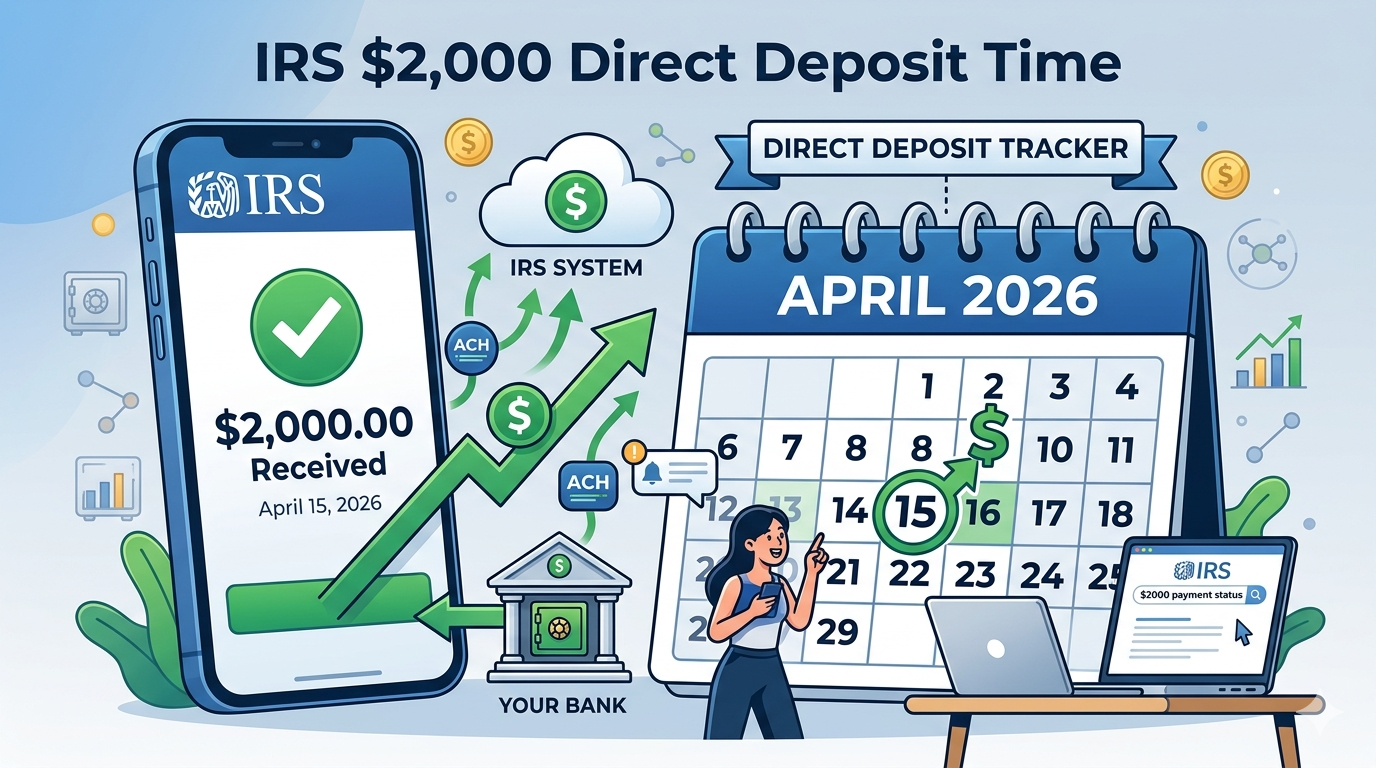
As tax season approaches, many Americans are eager to learn about the IRS $2000 Direct Deposit Time. The promise of quick funds can be a relief for those looking to ease financial burdens or invest in something special. But what exactly does this program entail? Who qualifies for these payments? As we dive into the details of 2026 payment dates and eligibility requirements, you’ll gain valuable insights that will help you navigate the process smoothly. Whether you’re hoping to receive your direct deposit promptly or simply want to stay informed, this guide has got you covered. Let’s explore everything you need to know!
The $2,000 Direct Deposit is a financial relief program introduced by the IRS. It aims to provide direct assistance to eligible taxpayers in times of need. This initiative has become increasingly relevant as people navigate economic challenges.
Eligibility for this payment usually depends on various factors, including income level and filing status. Generally, individuals who earn below a certain threshold might qualify for the full amount. Families with dependents may also see increased benefits based on their household size.
It’s essential to check specific criteria outlined by the IRS each year. As policies can change, staying informed will ensure you know if you’re eligible for assistance when it becomes available.
For those anticipating the IRS $2,000 Direct Deposit in 2026, key dates will shape your financial planning.
The initial payment date is set for March 15, 2026. This is when eligible individuals can expect to see funds deposited directly into their accounts. Mark your calendars.
Following this, additional payments may occur quarterly throughout the year. Stay tuned for announcements from the IRS regarding specific dates and eligibility criteria as they are finalized.
Make sure to check any changes or updates on the official IRS website regularly. Being proactive can help you stay informed about anything that might impact your direct deposit.
Preparing ahead of time ensures you’re ready when those funds arrive. Knowing these important dates will help you manage your finances more efficiently during this timeframe.
Signing up for direct deposit with the IRS is a straightforward process. First, gather your bank account information, including the routing number and account number. This info is crucial for ensuring your payments arrive safely.
Next, you can use Form 8888 to specify how you’d like to allocate your refund if you’re filing taxes electronically. If you’re using paper forms, simply include this information when submitting your return.
Another method is through the IRS Direct Deposit option available on their website. Here you’ll find easy-to-follow prompts that guide you through entering your banking details securely.
Keep an eye out for confirmation from the IRS once you’ve submitted everything. It’s always smart to check back in during tax season to ensure there are no hiccups with processing your direct deposit request. Your funds will be on their way soon after approval!
Many people harbor misconceptions about the IRS $2,000 Direct Deposit. One common myth is that everyone automatically qualifies for it. In reality, eligibility depends on factors like income and tax filing status.
Another frequent misunderstanding involves timing. Some believe payments will arrive instantly upon approval. However, the actual processing can take several weeks.
Some individuals think direct deposit requires extensive paperwork or complicated processes. In fact, setting up direct deposit with the IRS is relatively straightforward and user-friendly.
There’s also a notion that opting for paper checks guarantees more security than electronic transfers. Yet, direct deposits often provide better protection against theft or loss compared to physical checks.
Many assume they must have a bank account to receive this payment through direct deposit. Fortunately, there are alternatives available for those without traditional banking options who want to benefit from this initiative.
Direct deposit offers a seamless way to receive funds. It eliminates the need to wait for checks in the mail, which can be delayed or lost.
With direct deposit, your money goes straight into your bank account. This means immediate access to cash without any extra trips to the bank.
Security is another significant advantage. Direct deposits reduce the risk of check theft or fraud, providing peace of mind with every payment.
Additionally, tracking payments becomes easier with digital transactions. You can monitor when funds are deposited and manage your finances effortlessly.
Choosing direct deposit also contributes to environmental sustainability by reducing paper waste associated with traditional checks. Embracing this method supports a greener planet while simplifying personal finance management at home or work.
Navigating the world of taxes can be overwhelming, especially when dealing with payments and direct deposits. The IRS $2,000 Direct Deposit is designed to provide financial relief for eligible individuals and families. Knowing what it entails—including who qualifies, important dates, and how to sign up—can make a significant difference in your experience.
Understanding the myths surrounding this payment option helps you make informed decisions. Opting for direct deposit often means faster access to funds compared to traditional paper checks. It’s not just about speed; it’s also about security and convenience.
As 2026 approaches, staying updated on payment schedules will ensure you’re prepared for any financial support that may come your way. Whether you’re planning ahead or looking for immediate assistance, being proactive with your tax information can help ease some of the stress associated with filing.
With these insights at hand, you’ll be better equipped to manage your finances effectively in relation to the IRS $2,000 Direct Deposit Time.