
 By Eric Smith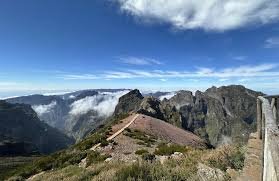
You already know Portugal has a port and pastéis de nata. But here’s what catches most visitors off guard: beyond the tourist zones of Lisbon and Porto sprawls an entire universe of hiking terrain that rarely makes it onto Instagram.
Picture these vineyard terraces cascading down to ribbons of river, volcanic craters punching through cloud cover, limestone formations rising from jewel-toned Atlantic water, granite summits wrapped in persistent fog. We’re mapping the best hikes in Portugal plus essential Portugal viewpoints spanning both mainland regions and the islands.
You’ll get real intel on difficulty grades, optimal timing, seasonal considerations, transportation logistics, and where to position your camera. Whether you’re chasing your first coastal sunset hike, training for technical summit pushes, or hunting that perfect ridge-line shot during magic hour these routes will meet you where you are and deliver experiences worth the effort.
Getting your timing and preparation right separates a mediocre outing from one you’ll remember for years. Here’s what actually matters before you hit the trail.
Right gear means nothing if you’re lost or disconnected from critical trail updates so here’s your connectivity game plan for remote territory. Load offline mapping apps that handle GPX files before departure Portugal’s PR (short-distance) and GR (long-distance) trail systems exist, but signage gaps are real. Portugal’s emergency number is 112.
Real-time weather data, transport timetables, and accommodation pivots all benefit from reliable mobile connectivity. Between urban centers, rural trailheads, and remote miradouros, many experienced hikers choose the best esim for portugal for instant activation without the frustration of tracking down physical SIM cards or absorbing roaming charges.
Timing isn’t just preference, it’s strategy, because Portugal’s geography demands flexibility based on your arrival date. Between April and June, spring awakens the hiking trails Portugal network with wildflowers everywhere, particularly up north where Peneda-Gerês transforms into vivid green and water features run at full capacity.
The Portuguese Camino covers 620km stretching north from Lisbon’s center, and according to BBC Travel, it remains wonderfully uncrowded making spring absolutely prime for this long-distance trek. Come summer, temperatures regularly exceed 35°C across Alentejo and Algarve, which means you’ll need dawn departures and deliberate shade management.
Fall brings September through November clarity harvest hues painting the Douro Valley, comfortable temperatures for extended routes, and those perfect ridgeline views. Winter drops snow on Serra da Estrela’s high plateau while Atlantic storms batter the coastline, yet if you’re after empty trails and dramatic weather, this quiet season delivers exactly that.
Once you’ve nailed your travel window, let’s talk gear because Portugal’s terrain variety demands thoughtful packing without overdoing it. Quality hiking boots with proper ankle support aren’t negotiable on rocky descents and vineyard paths. Layer intelligently: even summer mornings start surprisingly cool, and ridge winds hit harder than anticipated.
Sun protection is mandatory equipment to invest in a proper wide-brimmed hat, SPF 50 minimum, and quality sunglasses to prevent both headaches and burns on exposed coastal sections.
Trekking poles dramatically reduce knee impact on steep downhills, particularly valuable around Madeira’s levadas and Algarve’s cliff paths. Don’t skip the headlamp (tunnel sections and sunrise starts demand it), basic blister prevention supplies, and sufficient water capacity for stretches without refill opportunities. During summer months, always check wildfire closure status before inland hikes, and scan for ticks after walking through spring grasslands.
Connectivity and safety matter enormously, but protecting these trails and the communities sustaining them matters equally. Coastal cliff edges erode easily, maintain marked paths and avoid damaging fragile dune vegetation.
When farm gates appear, close them after passing through and honor property boundaries. Keep dogs leashed near livestock and bird nesting zones. Certain Madeira levadas close periodically for maintenance or wildlife protection, so verify status before departure. Always carry a small bag for waste and leave every viewpoint cleaner than you found it.
Now that preparation is handled, let’s explore where it pays dividends starting up north where granite peaks, thundering waterfalls, and centuries-old villages create Portugal’s most memorable hiking experiences.
Any serious northern Portugal hiking plan must include Peneda-Gerês Portugal’s sole national park and a wilderness sanctuary of highland plateaus and rushing waterways. The Trilho dos Currais loop rewards you with expansive highland vistas through moderate-to-challenging terrain.
Want a shorter waterfall objective? The Tahiti Waterfall trail (Fecha de Barjas) leads to a natural swimming spot, though rocks turn treacherous early in the morning. The Pedra Bela and Miradouro da Boneca combination provides gentler viewpoint circuits perfect for families. Weekend parking gets brutal, so weekdays or pre-dawn arrivals save serious headaches. Ridge weather shifts without warning pack that extra layer regardless of summer heat.
Where Gerês delivers raw mountain power, Passadiços do Paiva offers something completely different: 8 kilometers of wooden boardwalk hugging a river gorge that feels more theme park than traditional trail.
Book tickets online beforehand and sort one-way transportation between endpoints to avoid backtracking. The 516 Arouca suspension bridge provides a vertigo-inducing viewpoint suspended above the gorge. This works brilliantly for families and anyone wanting adventure without technical scrambling.
After vertical gorge drama, shift gears to the Douro Valley’s rolling vineyard ridges where every viewpoint pairs beautifully with a glass of port. Short walks radiating from Peso da Régua and Pinhão connect miradouros framing iconic river curves and terraced hillsides. Target golden hour when slopes glow in rust and amber tones. Porto’s train line shadows the river, making car-free hiking genuinely feasible with careful schedule planning.
Moving south from lush northern mountains, the Algarve shifts everything to golden limestone formations, concealed beaches, and windswept coastal paths revealing what most tourists completely miss.
Begin with the Algarve’s most famous route: Seven Hanging Valleys Trail, where amber cliffs, hidden beaches, and natural arches create Portugal’s most-photographed coastal hike. Walk westward in morning light for optimal sea stack illumination and keep afternoon sun out of your lens.
Praia da Marinha represents the quintessential photo opportunity. Summer parking fills before 9 AM arrive early or walk from Carvoeiro instead. Cliff edges crumble easily, so respect barriers and watch your footing on loose surfaces.
When coastal winds turn fierce or summer heat becomes unbearable, escape to Monchique’s forested interior and the Algarve’s cooling, green sanctuary that most beach visitors never discover.
Foia summit viewpoints deliver panoramic coastal views on clear days. Forested trails maintain cooler, quieter conditions than beaches below. Always verify wildfire closure status before inland ventures, especially June through September.
From mainland Portugal, we jump to the islands where Madeira delivers hiking in Portugal so extraordinary it belongs on every serious hiker’s essential list.
Madeira’s absolute highlight demands your attention: the Pico do Arieiro to Pico Ruivo ridge traverse, where volcanic towers pierce cloud layers in what many consider Portugal’s single most spectacular hike. Sunrise starts to beat crowds and capture golden peak illumination. Shuttle coordination between trailheads needs advance planning, but the reward walking above cloud cover on narrow stone passages justifies every early alarm. Tunnels require headlamps, and alpine weather shifts rapidly, so layer up and monitor forecasts.
After conquering Madeira’s high ridge, explore the island’s truly unique feature levadas, historic irrigation channels functioning as waterfall-hunting trails through dense laurel forests. Caldeirão Verde demands headlamps for dark tunnel passages and waterproof layers because moss and constant moisture create slippery conditions. Long-exposure photography shines at the terminal waterfall amphitheater.
Even brilliant trail plans collapse without logistics. Here’s how to actually reach trailheads, solve parking challenges, and avoid crowds.
Beyond parking solutions, these timing and routing tactics help you experience famous viewpoints in near-isolation. Weekday hiking cuts crowds by fifty percent compared to weekends.
Reversing standard trail direction spreads foot traffic and shifts perspective. Last year alone, 446,000 pilgrims officially registered Santiago arrivals though BBC Travel notes actual walker numbers run considerably higher meaning popular routes face genuine pressure.
Target shoulder seasons (May, October) when weather holds but school holidays haven’t triggered. Use real-time weather and visibility data to select the optimal viewpoint for any particular day rather than rigidly committing to predetermined itineraries.
Portugal’s trails deliver far beyond pretty photographs; they connect you with landscapes shaped across centuries of human stewardship, from vineyard terraces to levada systems to clifftop paths smoothed by generations of fishermen.
The best hikes in Portugal reward thoughtful planning, environmental respect, and flexibility when conditions demand adjustments. Download those offline maps, verify your gear, and remember: often the best viewpoint reveals itself when you slow down and genuinely pay attention. Portugal’s mountains and coastlines are ready when you are.