
 By Eric Smith
On a seemingly routine flight, United Flight UA109 faced an unexpected challenge that turned into a significant incident. The diversion raised questions about aviation safety and emergency protocols. Passengers experienced moments of uncertainty while crew members had to navigate complex decisions in real-time. This blog delves deep into the lessons learned from this event, exploring everything from medical emergencies to broader implications for air travel safety. Join us as we unpack the timeline of events and what they mean for travelers and airlines alike.
The United Flight UA109 diversion highlighted the critical importance of crew training in handling medical emergencies. Quick decision-making can greatly impact passenger safety and well-being.
Moreover, it emphasized the need for effective communication between flight crews and ground support teams during crises. Understanding protocols allows for smoother diversions, ultimately enhancing overall aviation safety and ensuring that passengers feel supported throughout their journey.
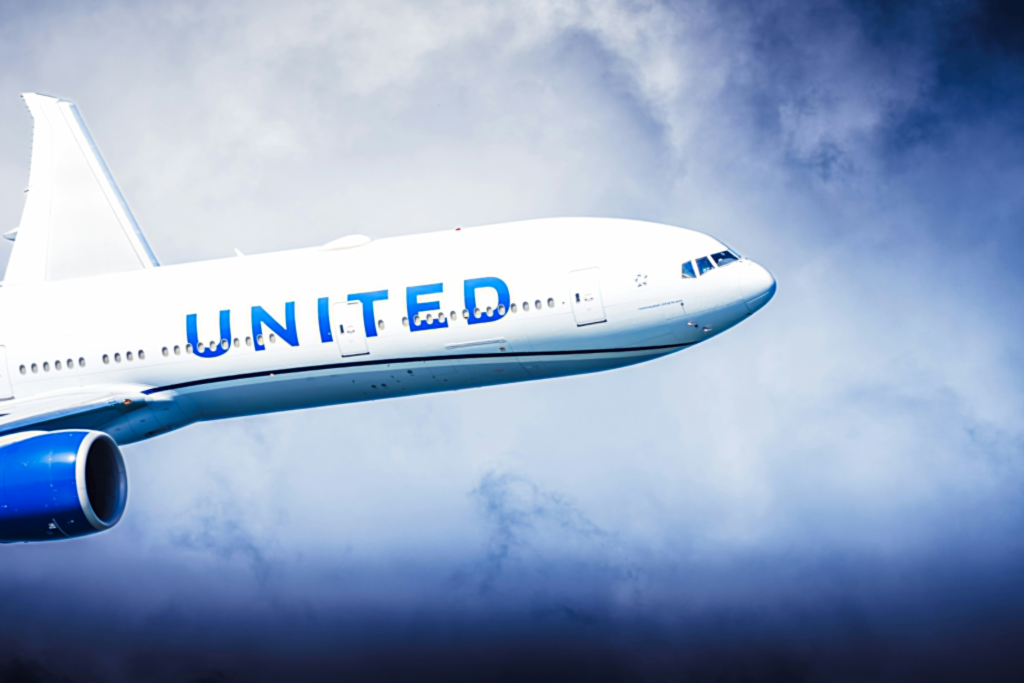
On September 1, 2023, United Flight UA109 was en route from Los Angeles to New York City when it experienced an unexpected diversion. The aircraft, a Boeing 777-200ER, carried over 200 passengers and crew.
Mid-flight, the captain announced a medical emergency involving a passenger. Quick decision-making led to the flight diverting to Denver International Airport for urgent assistance. The event highlights the critical nature of in-flight emergencies and airline protocols.
United Flight UA109 departed from Newark, heading to San Francisco. Shortly after takeoff, at approximately 30 minutes into the flight, cabin crew reported a medical emergency involving a passenger.
The situation escalated quickly as the pilot decided to divert to Denver International Airport. The aircraft landed safely about an hour later, allowing medical personnel to attend to the affected passenger promptly while ensuring other passengers remained safe and comfortable during the incident.
During the United Flight UA109 diversion, a medical emergency arose involving a passenger experiencing severe distress. The crew quickly assessed the situation and determined immediate action was necessary.
Flight attendants provided first aid while alerting pilots and air traffic control. This swift response underscored the importance of training in handling onboard emergencies, ensuring that both crew members and passengers receive prompt assistance when health crises occur at 30,000 feet.
Similar diversion incidents highlight the complexities of in-flight emergencies. For example, Southwest Flight 1380 faced an engine failure that led to a sudden landing. Both events underscore how unpredictable circumstances can disrupt travel plans and necessitate quick decision-making.
Other cases, like Delta’s emergency landing due to smoke in the cabin, show that medical emergencies often lead airlines to prioritize passenger safety over schedules. Each incident reinforces critical lessons about aviation protocols and response strategies.
The United Flight UA109 diversion highlights the ongoing need for robust safety protocols in aviation. Such incidents remind the industry of vulnerabilities and prompt a reevaluation of emergency response strategies.
As airlines assess their operational frameworks, lessons from this event foster improvements in training and technology. Enhanced communication systems can bridge gaps during crises, ensuring that both crew and passengers remain informed throughout unexpected situations.
On February 11, 2023, United Flight UA109 experienced an unexpected diversion shortly after takeoff from New Jersey. Passengers were informed that the plane was returning due to a medical emergency involving a traveler who required immediate assistance.
The flight crew quickly assessed the situation and decided to reroute to an alternate airport. This prompt action ensured that medical personnel were available upon landing, prioritizing passenger safety above all else.
The United Flight UA109 diversion was primarily triggered by a medical emergency involving a passenger. Such incidents can escalate quickly, requiring immediate action from the crew to ensure the safety of everyone on board.
As for the diversion destination, United Airlines opted for an airport equipped to handle emergencies and provide necessary medical assistance. This decision emphasized the airline’s commitment to passenger health and safety during unforeseen circumstances.
Managing diversions in aviation requires swift decision-making and effective communication. Airlines must have protocols to ensure passenger safety while minimizing disruption.
Flight crews are trained to assess situations quickly, balancing the needs of passengers with operational requirements. Coordinating with air traffic control is crucial for a smooth diversion process, ensuring that alternate landing sites can accommodate unexpected arrivals without jeopardizing safety or efficiency.
The United Flight UA109 diversion highlights the critical nature of safety standards in aviation. Regulations ensure that airlines maintain rigorous protocols for medical emergencies and unforeseen situations, safeguarding passengers and crew alike.
Reflecting on these standards reveals areas for improvement. Airlines must consistently evaluate their practices to adapt to evolving risks. Continuous training and updated procedures are essential in ensuring passenger safety during unexpected diversions or incidents.
Passengers on United Flight UA109 faced unexpected challenges during the diversion. Many were anxious about their safety and frustrated by the abrupt change in plans. Misunderstandings arose regarding why the flight was rerouted, leading to confusion among travelers.
Some believed it was a mechanical issue or pilot error, creating unnecessary panic. In reality, handling medical emergencies requires swift decisions to prioritize health over schedules, highlighting the complexities of aviation operations.
Airlines must prioritize safety measures and preventive actions to minimize risks during flights. Implementing thorough pre-flight checks, regular crew training, and emergency protocols can significantly enhance passenger safety.
Additionally, having a robust communication system in place allows for quick responses to onboard medical emergencies. Ensuring that flight attendants are equipped with the necessary tools and knowledge fosters a safer environment for all passengers during unforeseen circumstances.
Before deciding to divert a flight, crew members must assess multiple factors. Weather conditions, aircraft performance, and the health of passengers play vital roles in this crucial decision-making process.
Additionally, communication with air traffic control is essential. They provide updated information on suitable diversion airports. The safety of everyone onboard is paramount, making these considerations critical in ensuring an effective response during emergencies like the United Flight UA109 diversion.
Effective communication is crucial during an in-flight diversion. United Flight UA109’s crew kept passengers informed about the situation, providing updates on timelines and safety procedures. This transparency helped manage anxiety among travelers.
Flight attendants played a vital role by addressing concerns and ensuring everyone remained calm. Clear instructions were given regarding seating arrangements upon landing, which contributed to a smoother transition for all involved during the unexpected event.
After the United Flight UA109 diversion, post-landing logistics play a crucial role in passenger experience. Ground staff quickly spring into action to assist passengers with their needs and queries.
Rebooking options are provided promptly, ensuring that travelers can reach their final destinations without unnecessary delays. Communication is key during this process, as airlines strive to keep affected passengers informed about available flights and accommodation options.
The UA109 incident serves as a critical reminder of the complexities involved in airline operations. It highlights how medical emergencies can lead to significant diversions, impacting both passengers and crew.
Moreover, this event underscores the importance of effective communication procedures during crises. Understanding passenger concerns is vital for airlines to improve protocols and ensure safety while maintaining trust in their services.
Travelers today are increasingly aware of potential in-flight emergencies, thanks to media coverage and online discussions. Incidents like the United Flight UA109 diversion heighten their concerns about safety protocols and airline response times.
Passengers often worry about how such situations might impact their travel plans. They seek reassurance that airlines can handle medical emergencies efficiently while prioritizing passenger well-being during unexpected diversions.
During the United Flight UA109 diversion, crew prioritization played a crucial role in managing the situation. Their swift decision-making ensured that medical needs were addressed promptly while maintaining overall passenger safety.
The impact on passengers was significant. Many experienced anxiety and uncertainty during the unexpected change. However, effective communication from the crew helped to alleviate some concerns, allowing everyone to feel more secure throughout the ordeal.
Airlines hold a critical responsibility for passenger safety. They must implement robust safety systems and protocols that consistently meet regulatory standards. This includes thorough training for crew members on emergency procedures and medical situations.
Additionally, airlines are tasked with maintaining their fleets in optimal condition to prevent malfunctions during flights. A proactive approach to risk management ensures that passengers can trust their carriers to prioritize safety above all else.
The United Flight UA109 diversion highlights vital lessons in aviation safety. It underscores the importance of effective communication among crew members during emergencies. Clear protocols can make all the difference when lives are at stake.
Moreover, this incident emphasizes how crucial it is for airlines to prioritize passenger health and well-being. Proper training and resources should be consistently available to ensure a swift response in medical emergencies, enhancing overall flight safety.
The United Flight UA109 diversion highlights the ongoing need for robust medical protocols onboard. Airlines must continue to enhance training for crew members in handling emergencies, ensuring swift and effective responses.
As air travel evolves, passenger safety remains paramount. The lessons learned from this incident can drive improvements in aviation policies and procedures, fostering a safer environment for everyone who travels by air.