
 By Eric Smith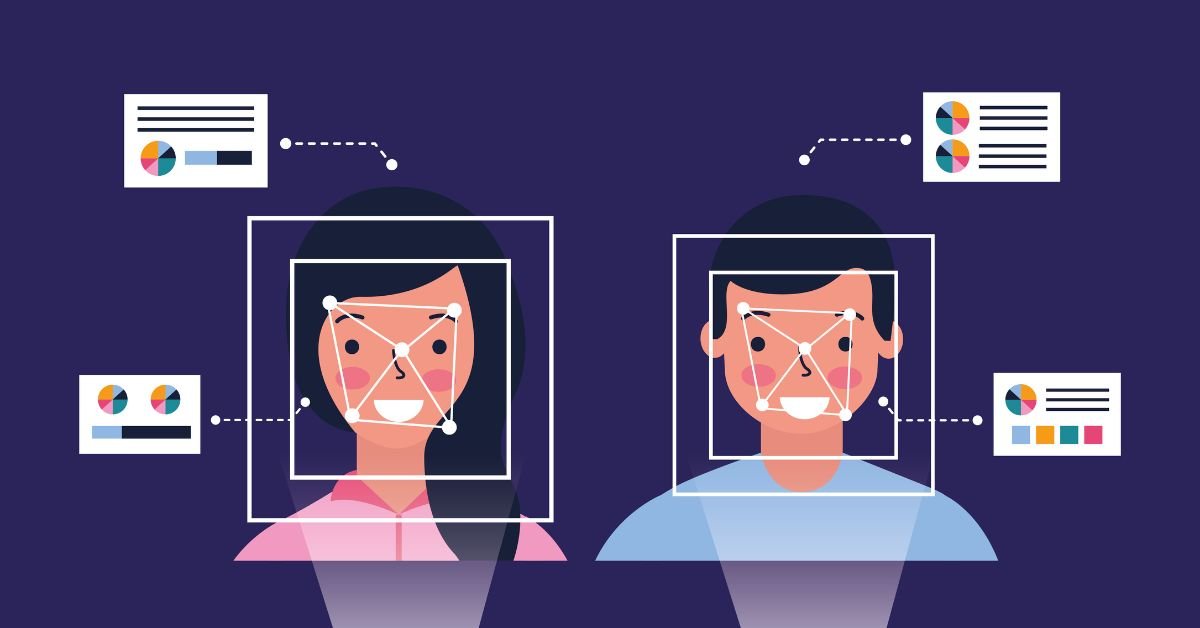
Artificial intelligence has dramatically changed how we create and interact with visual content. Tasks that once required advanced editing skills can now be completed in minutes using smart AI tools. Among the most well-known innovations are face swap technology and AI-powered scene generators, including AI kissing generators. These tools are redefining creativity by making complex visual effects accessible to professionals and everyday users alike.
As AI continues to evolve, it is reshaping entertainment, marketing, social media, and even personal storytelling. However, alongside exciting possibilities come important ethical considerations. Let’s explore how these technologies work, where they are being used, and why responsible use matters.
Face swap technology uses deep learning and computer vision to analyze facial features and expressions. It allows users to replace one person’s face with another in photos or videos while maintaining natural lighting, movement, and emotional detail.
What makes modern face swap tools impressive is their accessibility. In the past, realistic face replacement required expensive software and expert editing skills. Today, AI platforms allow users to generate high-quality results quickly and easily. This has encouraged widespread creative experimentation — from inserting oneself into famous movie scenes to recreating historical moments.
Beyond entertainment, face swap technology has practical applications. Brands use it for personalized advertising, filmmakers test casting options, and educators experiment with immersive storytelling experiences. The technology helps bridge imagination and realism in ways that were once impossible.
While face swap tools focus on modifying existing visuals, AI kissing generators take things a step further by creating entirely new interactions. These tools can generate realistic scenes of people kissing, even if those individuals were never physically together.
Using generative adversarial networks (GANs) and motion modeling, AI systems analyze facial expressions, head movement, and emotional cues to create believable animated scenes. Users typically upload images or select templates, and the AI generates a smooth, lifelike result.
For content creators, this opens new possibilities. Filmmakers can pre-visualize romantic scenes before production. Digital artists can experiment with emotional storytelling. Social media creators can explore new creative formats without organizing photoshoots.
At the same time, these tools raise serious ethical questions — particularly around consent and privacy. Creating intimate content involving real individuals without their permission can cross legal and moral boundaries. Responsible development and use are essential.
AI visual tools are already influencing multiple industries:
In film and television, AI simplifies both pre-production and post-production. Directors can test casting choices using face swap technology, and scene visualization tools reduce production costs and improve creative planning.
Businesses increasingly use AI to deliver personalized experiences. Imagine customers seeing themselves featured in a campaign or virtually interacting with products. AI-driven visual tools make this scalable and engaging.
Platforms like TikTok and Instagram are filled with AI-generated effects. Face swaps remain popular for humor and entertainment, while more advanced AI interaction tools allow users to experiment with storytelling and emotional expression.
Educators can bring lessons to life using AI-generated visuals. Historical figures can be animated, and social interactions can be demonstrated for psychology or communication studies. This makes learning more interactive and engaging.
As these tools become more powerful, ethical responsibility becomes increasingly important.
Using someone’s likeness — especially in intimate or emotional scenes — requires explicit permission. Failing to obtain consent can harm individuals and may violate legal standards.
AI-generated visuals can look extremely realistic, making it harder to distinguish between real and synthetic content. This has implications for misinformation and public trust in digital media.
Developers must implement safeguards such as identity verification, content moderation, and clear usage policies. Transparency about how content is generated can help maintain public trust.
AI tools like face swap systems and AI kissing generator demonstrate how far technology has progressed. They empower users to experiment, tell stories, and visualize ideas in new ways. However, innovation must be balanced with responsibility.
Creators should respect privacy and use AI thoughtfully. Developers should design platforms with strong ethical guardrails. By combining creativity with accountability, AI can enhance digital experiences without undermining trust.
The current generation of AI tools is only the beginning. Future developments may include:
- Emotion-responsive animations that adapt to storytelling context
- Real-time face swap during live streaming and virtual events
- Collaborative AI platforms for co-creating interactive stories
- Stronger privacy protections through secure and on-device processing
As these advancements unfold, user education will be essential. Understanding both the capabilities and limitations of AI will help ensure these tools are used responsibly.
AI technologies such as face swap tools and AI-generated interaction systems are transforming visual content creation. They unlock new creative opportunities across entertainment, marketing, education, and personal expression.
At the same time, they introduce important ethical challenges that must be addressed carefully. By embracing innovation while prioritizing transparency, consent, and accountability, we can ensure AI strengthens creativity without compromising digital integrity.