
 By Eric Smith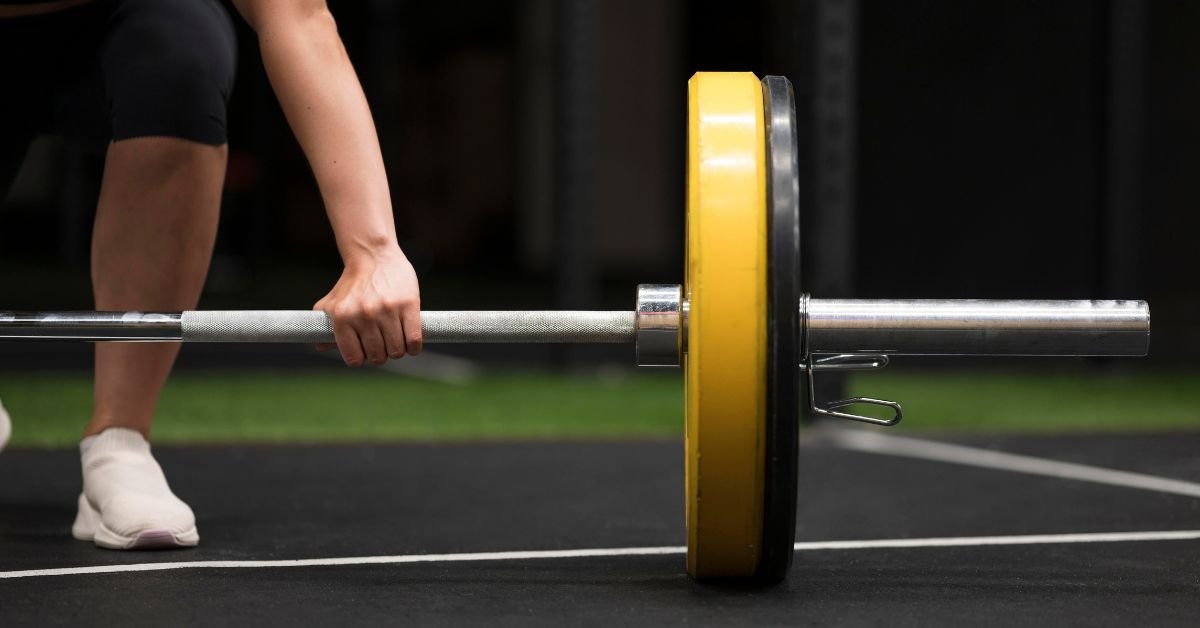
For anyone serious about building strength, improving athletic performance, or developing a well-conditioned body over the long term, that centrepiece is almost always the Olympic barbell.
Few pieces of training equipment have stood the test of time as definitively as the Olympic barbell. Decades of strength sport, powerlifting, weightlifting, and functional fitness programming have consistently reinforced its place as the single most versatile and effective tool available to anyone who trains with intent.
Understanding what makes a quality Olympic barbell worth investing in, and how to choose the right one for your training, is knowledge that pays dividends every single session.
Not all barbells are created equal, and the distinction between a standard barbell and a true Olympic barbell matters more than most beginners realise.
An Olympic barbell is standardised at 20 kilograms for men’s bars and 15 kilograms for women’s bars, with a total length of approximately 2.2 metres and 50-millimetre diameter sleeves that accommodate Olympic weight plates. These specifications are not arbitrary. They reflect the engineering required to handle the significant loads that serious strength training demands.
The sleeve rotation is one of the most important and most overlooked features of a quality Olympic barbell. The sleeves, the rotating ends on which weight plates are loaded, spin independently of the bar shaft during lifts. This rotation reduces the torque transferred to the wrists and elbows during dynamic movements like the clean, snatch, and overhead press, protecting the joints and allowing more efficient force transfer through the lift.
Cheap barbells often have poor sleeve rotation or none at all, which makes dynamic lifting less safe and more technically demanding than it needs to be.
The steel quality and tensile strength of the bar shaft determine how much load it can handle without permanent deformation, and how much whip, the elastic flex of the bar under load, it produces. Different training disciplines benefit from different amounts of whip. Powerlifting bars are stiffer for maximum stability under heavy squat, bench, and deadlift loads. Weightlifting bars have more flex to support the dynamic bounce used in Olympic lifts. Cross-training bars sit between the two and serve general strength and conditioning programming effectively.
Knurling is the textured diamond pattern machined into the grip section of the bar shaft, and its quality has a direct impact on training safety and performance.
Good knurling provides confident grip security without tearing the skin unnecessarily. Poor knurling is either so aggressive it causes callus damage and skin tearing, or so passive it fails to provide adequate grip under load, particularly when hands are sweaty.
The placement of knurling also varies between bar types. Powerlifting bars typically include centre knurling that contacts the back during back squats, providing grip security. Weightlifting bars typically omit centre knurling to prevent skin abrasion during the clean. Understanding which knurling pattern suits your primary training style is part of selecting the right bar for your goals.
The finish applied to the bar shaft affects both corrosion resistance and grip feel. Chrome finishes are durable and easy to clean. Black oxide finishes offer excellent grip feel and reasonable corrosion resistance. Stainless steel bars represent the premium option in terms of longevity and grip texture, particularly in humid training environments.
The right Olympic barbell for your setup depends on what you primarily train for.
Powerlifters and those focused on the big three compound lifts, squat, bench press, and deadlift, benefit most from a stiff, high-tensile bar with aggressive knurling and strong centre knurling for back squat stability.
Olympic weightlifters and those training the snatch and clean and jerk benefit from a bar with quality sleeve bearings, appropriate whip characteristics, and knurling positioned to suit the specific hand placements these lifts require.
Cross-fitters, functional fitness athletes, and general strength trainees are best served by a versatile all-purpose bar that handles both barbell cycling movements and heavy compound work without being optimised to the extreme of either end.
Home gym users should also consider the bar’s coating and corrosion resistance, particularly in garages or outdoor training areas where temperature fluctuations and humidity can accelerate steel degradation. Investing in a well-finished bar protects the equipment for years of use in less climate-controlled environments.
If you are building a strength setup and ready to invest in a barbell that performs at the level your training demands, choosing from a reputable supplier with genuine product knowledge makes all the difference. You can shop quality Olympic barbells through Kinta Fitness and find a carefully selected range suited to home training, boutique studios, and commercial facilities across Australia.
The temptation to start with a cheaper barbell and upgrade later is one that most serious lifters eventually regret.
A low-quality barbell bends under heavy loads, has poor sleeve rotation that limits technique development, and develops surface rust that degrades grip and appearance within months. The frustration of training with equipment that underperforms is real, and the cost of replacing a cheap bar with a quality one means paying twice for something you only needed to buy once.
A quality Olympic barbell purchased from a reputable supplier lasts decades with basic maintenance. It performs consistently under the kind of progressive loading that strength development requires, supports proper technique development, and maintains its value far better than budget alternatives.
The barbell is the tool you will touch every single training session. It is not the place to cut corners.
Every deadlift personal record, every heavy squat, every clean and press starts with the same piece of equipment.
The Olympic barbell is not a luxury item in a serious training setup. It is the foundation that everything else is built around. Choosing the right one, from a supplier who understands the difference between quality and compromise, is one of the most straightforward and highest-return decisions any lifter can make.
Train seriously. Equip accordingly.